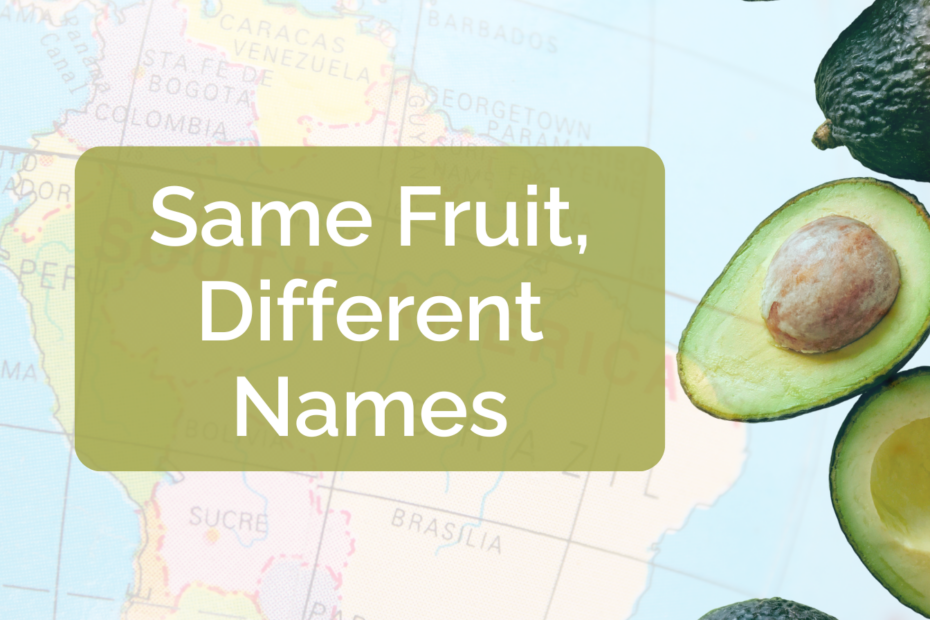
Spanish isn’t one single language in the way most people expect — it shifts, stretches, and changes dramatically from country to country, especially in everyday words like palta/aguacate, coche/carro, or patata/papa. I dig into more of these shifts in South American Spanish vs European Spanish – What’s the difference anyway?
I learned this the hard way after almost three years travelling across South America and crossing into Argentina, where I suddenly realised how many surprises were waiting just over the border. I thought I was learning Spanish. What I was actually learning was Argentine Spanish — and it took a while to realise how different things could be from one country to the next.
Why Does the Same Word Mean Something Totally Different in Another Country?
Spanish isn’t one fixed version of a language. It’s a living, shifting thing, shaped by different countries, histories, and the languages that were already there long before Spanish arrived. Over time, each place kept its own everyday words — which is why Spanish vocabulary can feel so dramatic when you travel. You’re not hearing “wrong” Spanish. You’re hearing local Spanish.
I still remember confidently asking for an aguacate in a Buenos Aires market and getting a blank look. The woman behind the stall blinked, then laughed gently: “Ah… palta.”
That was one of those small moments that quietly rewires your brain. In Spain, you’ll hear aguacate. In much of Latin America, it’s palta. Same creamy green fruit, two completely different labels — and I’d already spent years eating it daily, thinking I was fluent.
Years earlier, I’d been on a slow boat toward Iquitos, living on little more than rice, fish, and an alarming number of avocados — except there, they were aguacates. Three days in, I stopped correcting myself. Your brain gets tired of being wrong in multiple dialects at once.
That’s the reality of Latin American Spanish vs. Spain Spanish: you can be perfectly understood in one place and feel like a total beginner in another.
Everyday Words That Catch Travellers Out
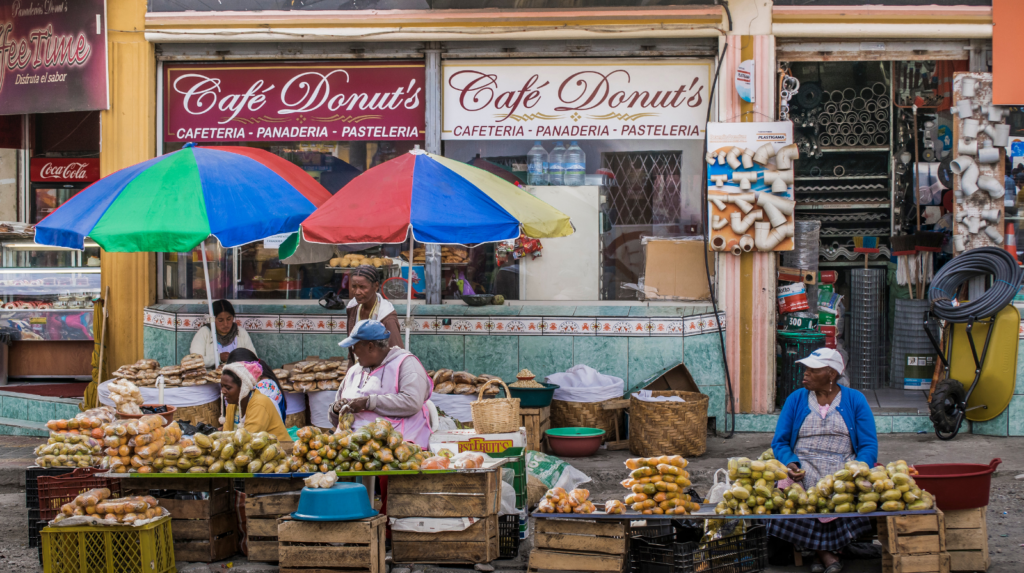
It’s not just food. The ordinary, everyday vocabulary trips people up too.
Take transport. In Spain, it’s coche for car. In most of Latin America, it’s carro or auto. I once asked for directions in Mendoza using coche and got pointed toward a horse-drawn cart. Technically correct. Just not what I meant.
Or potatoes: patata in Spain, papa across much of Latin America. My daughters, raised bilingually in Argentina, came back to the UK and casually ordered “papas” in a restaurant like it was nothing. The waiter definitely paused.
Then there’s fruit. Fresa is the standard word for strawberry in most places, but in Argentina and Uruguay you’ll hear frutilla. My girls picked that up before they ever realised it wasn’t the “official” word — which says everything about how quickly children absorb local Spanish without even noticing.
Even small words carry identity. In Argentina, I still say che without thinking — that little attention-grabber dropped into a sentence that doesn’t really translate into English. It just is. Back in the UK, I lost count of the times I caught myself speaking Spanish to shop assistants here in Wales, and had to explain I wasn’t being rude — just accidentally bilingual in public.
Language That Lives, Not Language That Stays Still
This is why learning Spanish vocabulary in context matters more than memorising lists. The language is alive. It shifts depending on where you are, who you’re speaking to, and which side of a border you happen to be standing on.
You’re not learning “different dialects of Spanish” in some academic sense — you’re learning how people actually live inside the language.
If you want to go deeper into how these shifts show up in real travel conversations (and avoid your own aguacate-in-Buenos-Aires moment), check out this post on Lunfardo – The Argentine slang born in the slums of Buenos Aires.