


When people think of learning Spanish, two places usually come to mind: Spain and Mexico. Fair enough — they’re the loudest voices in the room. But there are over 20 countries where Spanish is the official language, and each one hands you a completely different accent, culture, and reason to fall in love with it.
I spent twenty years living across South America before coming home to North Wales, so this isn’t a list I pulled together from travel blogs. These are places I’ve actually lived in, travelled through, run businesses in, and in some cases raised my own bilingual children in. I’ll be honest about what each one is actually like — not the postcard version.
If you’re trying to decide where to focus your child’s learning, where to travel as a family, or simply which accent to fall in love with first, here’s the real guide.
Argentina: Where My Daughters Grew Up Speaking Spanish
Argentina is where I raised my daughters, so it’ll always sit closest to my heart on this list. Buenos Aires has an energy that’s hard to describe until you’ve stood in it — equal parts European elegance and total chaos, with tango spilling out of doorways and dinner starting at 10pm like that’s a perfectly normal time to eat.

Argentine Spanish is its own adventure. The “ll” and “y” sounds shift into a “sh,” and an entire slang vocabulary called lunfardo — born out of Buenos Aires’ immigrant history — peppers everyday speech. I’ve written before about exactly what Lunfardo actually is and where it comes from, if you want to go deeper.
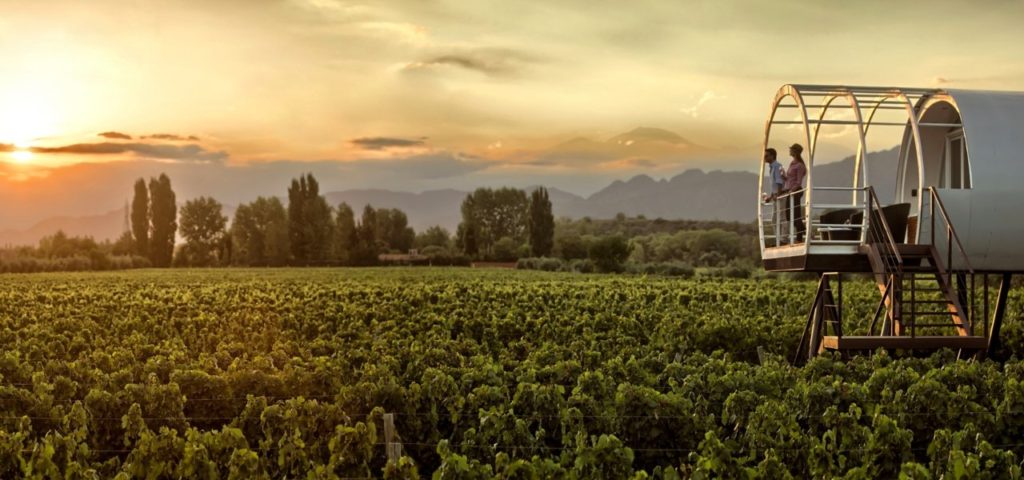
Then there’s Mendoza, at the foot of the Andes, surrounded by vineyards — somewhere I ran a wine-tourism business and still think about more often than is probably healthy. If your idea of immersion involves long lunches, mountain views, and a glass of Malbec in hand, Mendoza will ruin you for ordinary holidays.
The story of how those Mendoza years shaped everything I now teach — and how that journey eventually led to Málaga — is something I’ve written about in more detail here: From the Andes to Andalucía.
Venezuela: The Place That Taught Me How Language Actually Sticks
I lived with a family in Venezuela for a period that changed how I think about language learning entirely. Not in a classroom — in a real home, with real daily life happening around me, a constant stream of Spanish that didn’t slow down just because I didn’t understand it yet.
Venezuela rarely makes anyone’s “top destinations” list these days, and the current situation means I’m not suggesting it as a travel destination right now. But it earns its place here because it’s where I learned the lesson that shapes everything I teach: language doesn’t stick because you memorise it. It sticks because you need it, in a moment you actually remember.

Colombia: Warmer Than Its Reputation
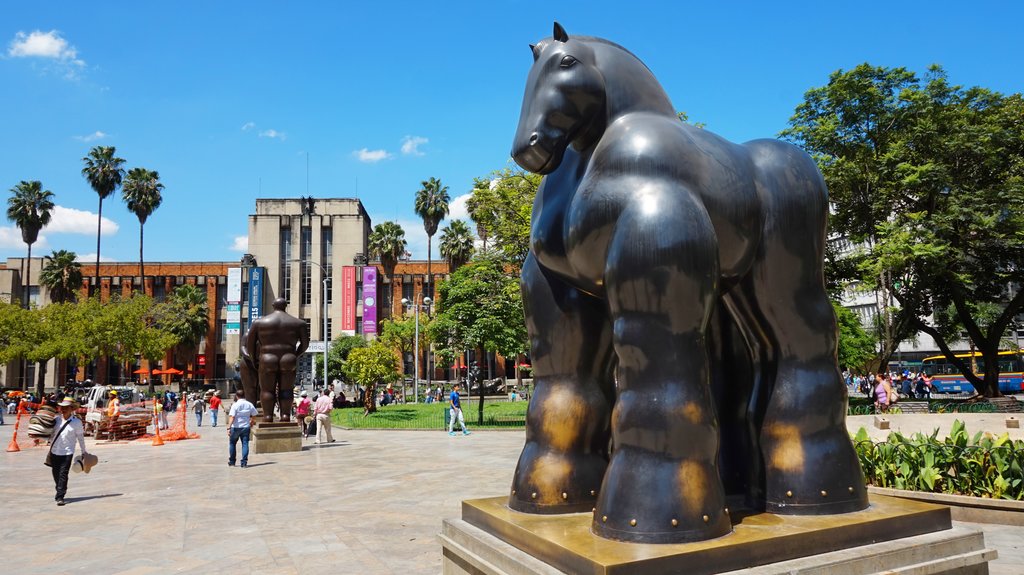
Colombia gets stuck with an outdated reputation it doesn’t deserve anymore. The real Colombia is colourful Cartagena streets, the mountain city of Medellín, and some of the best coffee in the world grown in the hills you can visit yourself.
Colombian Spanish is often described as one of the clearest and most neutral accents in Latin America, which makes it a genuinely good entry point if you’re worried about being thrown in the deep end. Add salsa lessons in Cali, where locals will good-naturedly correct your hips as much as your grammar, and you’ve got somewhere that rewards a bit of bravery.
Guatemala: Ancient Ruins and Gentle Spanish
Guatemala doesn’t get the attention it deserves. Tikal’s Mayan ruins rise out of dense jungle in a way photos don’t do justice to, and Lake Atitlán — ringed by volcanoes — has become one of the most popular spots in the world for Spanish immersion schools, largely because Guatemalan Spanish is spoken slowly and clearly compared to its neighbours.
If your child (or you) is nervous about being overwhelmed, Guatemala is often where I’d point a true beginner first.
Uruguay: The Quiet Cousin of Argentina
Tucked between Brazil and Argentina, Uruguay is often overlooked entirely — which is exactly why it’s worth knowing about. Montevideo is relaxed, the beaches are excellent, and the Spanish carries Argentina’s “sh” sound along with its own gentler pace. If you’ve ever wanted to sip mate and get pulled into a conversation about a football rivalry you didn’t ask about, this is the place.
Mexico: The One Everyone Already Knows (For Good Reason)
Mexico earns its reputation honestly. It’s enormous, varied, and home to extraordinary food, history, and some of the most joyfully colourful traditions in the Spanish-speaking world — Día de los Muertos being the obvious example, and one I’ve written about in detail here if you want to bring some of it home with you.

Mexican Spanish varies hugely by region, but it’s widely understood across the Spanish-speaking world thanks to Mexico’s huge media and entertainment industry — which also makes it one of the easiest accents to find listening practice for online.
Peru: Where the Andes Meet the Amazon
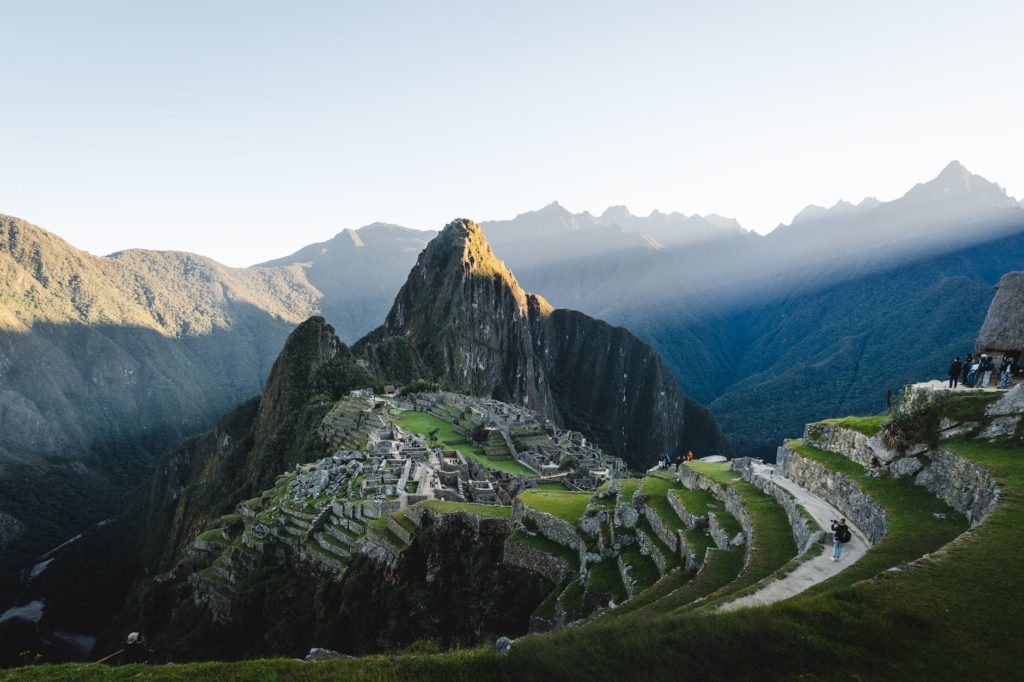
Peru gave me some of my favourite years in South America — Iquitos, deep in the Amazon, is unlike anywhere else I’ve lived, and Machu Picchu earns every bit of its fame. Peruvian Spanish is clear and considered reasonably “standard,” and the country’s sheer geographic range — coast, mountains, jungle — means no two regions feel the same.
Costa Rica: Stable, Safe, and Genuinely Friendly
Costa Rica consistently ranks as one of the safest and most politically stable countries in Latin America, which makes it a popular first stop for families travelling with children. Pura vida isn’t just a tourist slogan — it’s a genuine outlook that shows up in daily conversation. The Spanish here is clear and unhurried, and the rainforests and coastlines give you plenty of reasons to practise it outdoors.
Chile: Long, Dramatic, and Linguistically Tricky
Chile stretches from desert to glaciers, and the Spanish spoken there has a reputation — fairly earned — for being fast, clipped, and full of its own slang. It’s not always the easiest accent to start with, but if you already have some Spanish and want a genuine challenge (alongside some of the most dramatic scenery on the continent), Chile delivers.
Spain: Where It All Gets Easier

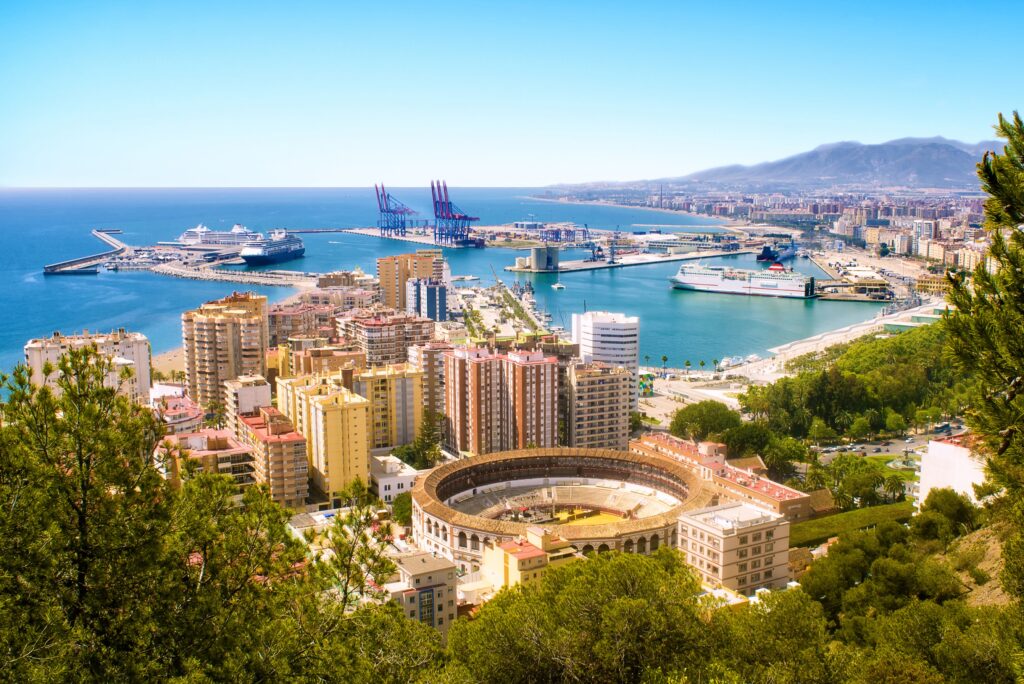
After nine countries, here’s the honest truth: every one of them requires real travel, real time, and for most families, a fairly serious trip to make happen.
Spain doesn’t.
It’s a two-and-a-half-hour flight from the UK, it shares Europe’s time zone and (broadly) its rhythms, and Málaga in particular gives you warm weather, a real Spanish-speaking community, and the kind of everyday immersion — ordering at the panadería, chatting in the local mercado — that normally takes a long-haul flight and several weeks to access.
It’s also, not coincidentally, where I’ve built our Spanish Immersion Trips — because I wanted families to get a taste of what changed my own life, without needing twenty years and a move across the Atlantic to do it. If cooking is more your thing than markets, our Spanish cooking experience in Málaga is a lovely way in too.
So Which One Should You Actually Visit?
If you want the gentlest accent to start with: Guatemala or Colombia. If you want drama and scenery: Peru or Chile. If you want family-friendly and low-stress: Costa Rica. If you want the food, the history, and the colour: Mexico. If you want my heart, slightly biased: Argentina.
And if you want all the benefits of real immersion — real conversations, real need to use the language, real cultural moments — without needing a long-haul flight or weeks away from home: Spain, and specifically a week in Málaga, is where I’d point you.
Every one of these countries can change how your child sees Spanish. Not all of them are realistic for a first trip. That’s exactly why I built the Málaga immersion trip the way I did — to give families a genuine taste of what took me two decades and an entire continent to discover, in a week that’s actually possible to take.
The journey that took me from the Andes to Andalucía and shaped how I teach Spanish today is something I’ve written about here: From the Andes to Andalucía
Find out more about our Spanish Immersion Trip to Málaga, or if your child is just starting out, our First Steps and Pathfinders courses are the perfect place to build the Spanish that makes a trip like this even more powerful.
Still wondering whether one week in Spain is really enough? Here’s the honest answer.

